


Vatican publishes norms on consecrated virgins
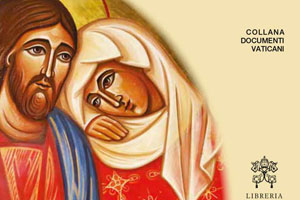 Almost 50 years after the Church published the new Rite of Consecrated Virginity, the Vatican has issued an instruction on the state of life, its discipline, and the responsibilities of diocesan bishops toward the vocation of consecrated virgins.
The instruction was created in response to requests from bishops for clarity on the role and mission of consecrated virgins, especially following an increase in the number of women discerning the vocation since the revision of the Rite of Consecration, published in 1970 with the approval of Pope Paul VI.
A consecrated virgin is a never-married woman who dedicates her perpetual virginity to God and is set aside as a sacred person who belongs to Christ in the Catholic Church.
The Congregation for Institutes of Consecrated Life and Societies of Apostolic Life, which issued the instruction July 4, estimates there are now more than 5,000 consecrated virgins on all five continents “in very diverse geographic areas and cultural contexts.”
In consideration of this, the document gives explicit instructions for the prerequisites, formation, regulation, and documentation of consecrated virgins, who belong to the ecclesial “Ordo virginum” or “Order of Virgins,” and are overseen by the diocesan bishop.
“Consecrated persons dedicate themselves to prayer, penance, works of mercy and the apostolate, each according to their own charisms, welcoming the Gospel as a fundamental rule for their life,” stated Archbishop José Rodríguez Carballo, secretary of the congregation for consecrated life.
“The charism of virginity is harmonized with the proper charism of each consecrated person, giving rise to a great variety of responses to the vocation, in a creative freedom that demands a sense of responsibility and the exercise of serious spiritual discernment.”
The instruction, called Ecclesiae Sponsae Imago, gives a comprehensive history of the vocational state, which is referred to in the New Testament and by early church fathers, and was common in the first centuries before women began forming and entering religious orders.
After the practice declined with the growth of monastic religious life, consecrated virginity revived as religious orders began to preserve the “Rite of Consecration to a Life of Virginity” and as it was translated from Latin into modern languages.
The Second Vatican Council also ensured consecrated virginity’s renewal in the modern world when it called for a revised the “Rite of Consecration.”
Read more
Source: catholicnewsagency.com
Leave a Reply